What Are Low Profile Aluminium Canopies
Defining the Low Profile Design
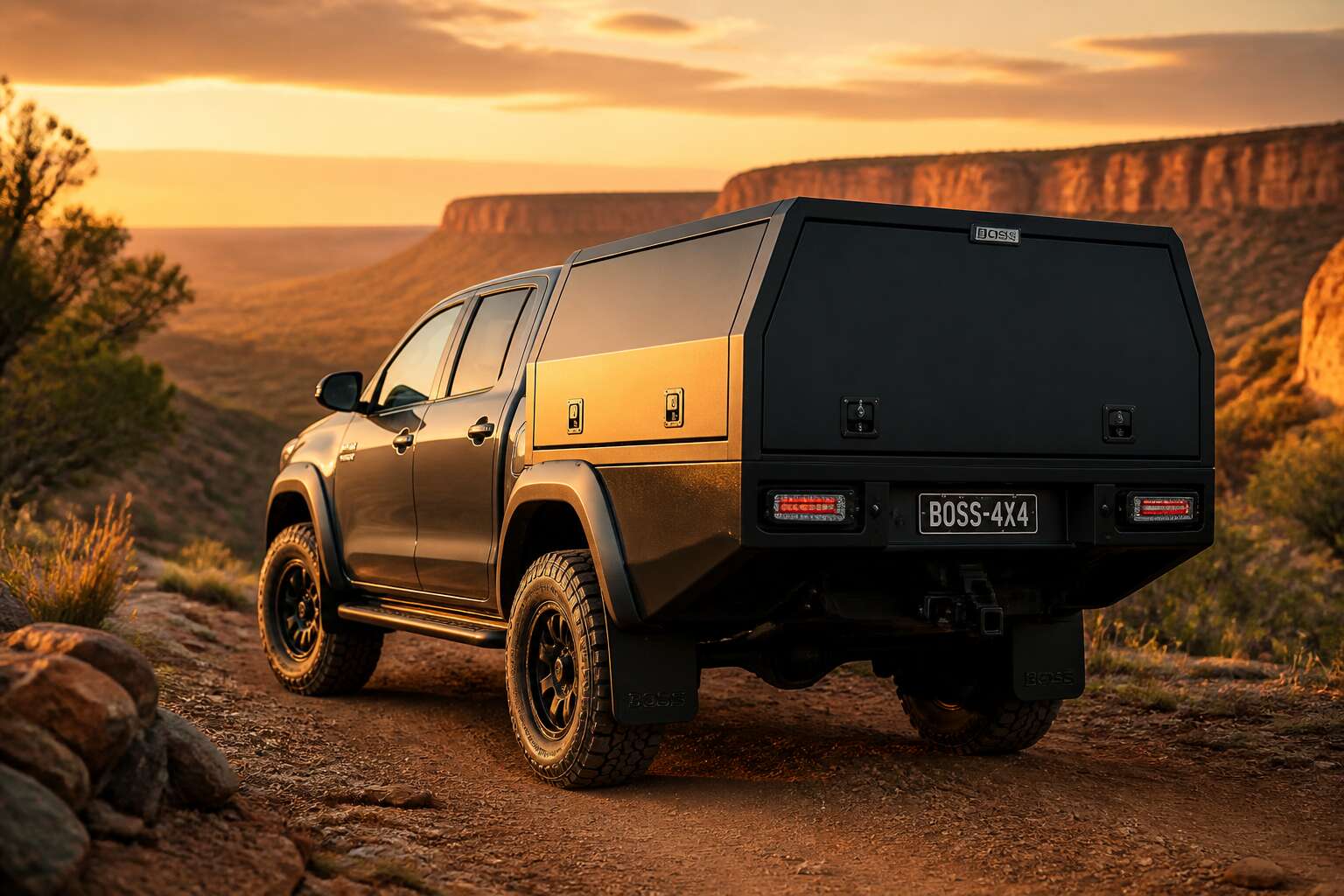
Most bakkie owners know the frustration of a canopy that adds unnecessary height and bulk. A low profile aluminium canopy solves this by sitting closer to the cab and load bed, creating a streamlined silhouette that doesn’t compromise your vehicle’s original proportions. This design reduces wind drag, which can improve fuel efficiency on long trips across the Karoo or up the N1.
The defining characteristic lies in the reduced roof height and tighter fit against the load bin. These canopies are engineered to follow the exact contours of your bakkie, leaving minimal gaps. The result is a factory fitted appearance that looks intentional rather than bolted on.
Key design features typically include:
– A lowered roofline that maintains internal headroom
– Integrated mounting channels that sit flush with the body
– Slimline window profiles that preserve visibility
This design approach also keeps the centre of gravity lower, which improves handling on uneven terrain. For South African drivers navigating urban traffic or farm roads, the low profile build offers both practical clearance and a cleaner, more cohesive look that doesn’t shout for attention.
Aluminium as the Material of Choice
Aluminium earns its place on South African bakkies through sheer practicality. It resists the corrosion that attacks steel in coastal regions like Durban or the Cape, and it weighs roughly a third less, which matters when you are already hauling livestock feed or building materials.
The real advantage is how the metal behaves during fabrication. Aluminium can be formed into tight radii and welded cleanly, which allows manufacturers to shape low profile aluminium canopies that follow the exact lines of the load bin without adding unnecessary bulk.
The material also handles the heat. Unlike composite materials that can warp or fade under the Highveld sun, aluminium dissipates heat quickly and holds its finish for years. That keeps the canopy looking sharp whether you park it in Sandton or leave it out on the farm.
Common Applications and Use Cases
These canopies solve practical problems. Overlanders fit them to dual cab Hiluxes and Rangers to clear low branches in Limpopo bushveld while keeping a low centre of gravity on corrugated tracks. Game farms use them as photography hides, since the reduced roofline disturbs fewer animals.
Urban contractors use low profile aluminium canopies to secure tools overnight in Johannesburg suburbs where theft is a constant concern. The modest rise above the load bin creates clearance for conduit pipes and ladders without turning the bakkie into an obvious target. Consider common fitments:
- A 2.2 metre canopy on a single cab for plumbing stock
- A double cab model carrying a 210 litre water tank
- A canopy fitted with roof tracks for solar panels
Each configuration answers a specific daily problem.
How They Differ from Traditional Canopies
The gap between a bakkie’s roof and a standard canopy tells you everything. Measure it on most aftermarket units and you’ll find 12 to 18 centimetres of wasted vertical space. Low profile aluminium canopies reduce that gap to a few centimetres. That single dimension changes how the vehicle behaves.
A traditional canopy was built for volume first. It raised the roofline high above the load bin, creating a boxy silhouette and generous headroom inside. But that height came with consequences. Wind noise rose. The centre of gravity shifted upward. Parking garages and low branches became daily hazards. The low profile aluminium canopy reverses that logic. It sacrifices interior headroom to keep the vehicle closer to the ground, and most owners barely notice the difference inside.
The practical differences are measurable:
- Overall vehicle height drops, so the bakkie clears carports and bushveld branches without scraping.
- The lower roofline reduces wind drag, which helps on long highway trips to the coast.
- Weight sits closer to the chassis, improving stability on corrugated gravel roads.
- Installation uses a clamp-and-seal system that fits flush to the load bin rails.
Traditional units also tend to use fibreglass or steel panels, which add mass and rust over time. The low profile aluminium canopy offers a different compromise. You don’t stand up inside it, but you rarely need to. What you gain is a bakkie that handles more like it did before the canopy went on.
Key Benefits and Advantages
Enhanced Aesthetic Appeal
A property is judged in the first ten seconds, and South African estate agents know this better than anyone. A low profile aluminium canopy delivers an understated elegance that photographs well and impresses in person. The slim silhouette and clean junctions create a sense of architectural order. Buyers register these details first, even if they cannot name them. I have watched clients pause at a doorstep, drawn in by something they struggle to articulate.
Consider what the eye perceives:
- a roofline that appears lighter and less imposing
- a seamless transition between glass and structure
- a powder coated finish that holds its colour against the African sun
Low profile aluminium canopies achieve something rare in exterior design. They make a home feel considered, intentional, and premium without ever demanding attention.
Durability and Corrosion Resistance
Salt air along the KwaZulu-Natal coast corrodes a standard steel canopy within five years. That should make any homeowner pause. Low profile aluminium canopies sidestep this problem through basic chemistry. Aluminium forms a protective oxide layer the moment it meets oxygen. That layer repairs itself when scratched.
In my experience, the durability extends beyond coastal conditions. The African sun degrades lesser materials, breaking down coatings and causing warping. Aluminium holds its shape and finish. For South African homeowners, this means the difference between a one-time installation and a recurring repair cycle.
Owners get:
- A service life measured in decades
- No rust streaking down the facade
- Minimal upkeep, limited to occasional washing
The corrosion resistance comes from the material itself, not a sacrificial coating that wears away. It survives Cape Town’s winter storms and the Highveld’s summer hail!
Lightweight Yet Strong Structure
Steel canopies often feel like a compromise. You get strength, but you pay for it with bulky supports and a heavy frame that complicates installation. The low profile aluminium canopy removes that trade off entirely. Its structural core uses extruded aluminium profiles engineered to carry substantial loads while keeping the overall weight low.
This weight advantage matters more than most homeowners realise. A lighter structure means less stress on the mounting points, which is critical when attaching to a brick wall or a tiled roof not designed for extra mass. It also simplifies the installation process, reducing labour time and the risk of damage to existing masonry.
- Handles wind uplift without excessive bracing
- Spans wider areas with fewer support columns
- Allows for sleeker, thinner sightlines
The strength comes from the material’s geometry, not its bulk. Aluminium’s high strength to weight ratio means a low profile canopy can hold its own against gusty Berg winds or a heavy summer downpour without looking like a fortress. You get the resilience of a permanent structure with none of the visual heaviness.
Improved Clearance and Unobstructed Views
For a covered patio to feel genuinely open, the space between the roofline and the garden matters. A bulky beam at eye level turns a view of the koppies into a framed picture with a post in the middle. Low profile aluminium canopies preserve that sightline because the supporting structure tucks close to the wall and the fascia stays slim. You can stand under the cover and still watch the kids on the lawn, or the storm rolling in over the Magaliesberg, without craning your neck around a support.
The clearance gain is practical too. A vehicle parked under the canopy, a braai setup near the wall, or a tall potted fern all fit without compromise. Low profile aluminium canopies create a rectangle of shade that feels larger than its footprint, because nothing intrudes into the usable floor area.
Energy Efficiency and Passive Shading
A single degree of shade can shift a room’s temperature by several degrees, which matters when the Highveld sun beats down from October to April. Low profile aluminium canopies deliver this relief through passive design, not mechanical intervention. The shallow pitch and slim profile allow hot air to escape naturally, while the aluminium surface reflects a portion of solar radiation before it ever reaches the glass or brickwork beneath. This means the area below the canopy stays cooler without a single kilowatt of electricity spent on fans or air conditioning.
The practical savings accumulate quietly. A patio that remains usable through the afternoon heat reduces the need to retreat indoors, which in turn lowers the load on your home’s cooling system. Think of it as a shield that works with the sun’s trajectory, not against it.
– The thermal break between the canopy and the mounting wall prevents heat transfer into the structure.
– The powder coated finish deflects UV rays far better than darker, untreated materials.
– The open sides permit cross ventilation, pushing trapped heat away from the house.
In a country where electricity prices climb each year, passive shading becomes a modest investment with a steady return. Low profile aluminium canopies let you sit outside in January, watch the dogs nap on the lawn, and feel the breeze move through the space. The comfort is immediate, and the benefit to your pocketbook compounds with every sweltering afternoon you manage to skip the thermostat entirely.
Design Options and Customization
Standard Sizes and Common Shapes
On the South African coast, a canopy either withstands the wind or becomes a hazard. Low profile aluminium canopies seldom come as a fixed product. I have seen standard units adapted to curved, flat, and pitched profiles, with custom colors and mounting heights specified for each site. Common shapes include:
- Flat with a slight fall for drainage
- Curved for a softer silhouette
- Single slope for modern lean to additions
Standard sizes for residential use often start at 2.4 by 3.0 metres, but most manufacturers can extend lengths in 0.3 metre increments. For commercial projects, the design options expand dramatically. In South Africa, wind load requirements can dictate deeper profiles for low profile aluminium canopies, or extra anchoring, so the exact dimensions matter when you contact the supplier. Customization is not a luxury, it is a practical necessity.
Custom Dimensions and Finishes
Custom dimensions are where a low profile aluminium canopy earns its keep. I have measured sites where a 30 millimetre adjustment changed the entire drainage line. South African manufacturers can alter width, height, and projection to match existing rooflines.
Finishes matter equally. The coating must handle coastal salt and high UV. Options include:
- PVDF baked enamel for colour retention
- Anodised finishes for a metallic sheen
- Textured powder coating for grip and durability
Each finish changes how the canopy reflects light and resists corrosion. The right combination of dimensions and finish makes the canopy appear nearly invisible or deliberately prominent.
Powder Coating and Colour Selection
The colour of a low profile aluminium canopy is a design decision, not an afterthought. South Africa’s sun is relentless. Dark finishes absorb heat and accelerate thermal expansion. Lighter shades reflect it. Architects specify lighter powder coating colours for canopies on north facing facades.
Powder coating is the preferred finish. It holds colour and resists chipping. The process applies a dry powder, cured under heat, creating a hard shell that is more environmentally friendly than liquid paint. This makes it a wise investment for low profile aluminium canopies exposed to coastal salt and UV.
When selecting a colour, consider these factors:
- Lighter colours reduce heat build up.
- Darker colours make the canopy recede into the roofline.
- Bold colours create a visual anchor.
- Custom hues can match corporate branding.
The powder coating ties the canopy to the building’s palette. A low profile aluminium canopy should read as part of the architecture.
Integrated Guttering and Drainage Systems
The true measure of a well engineered structure lies in the details you cannot see from the street. For low profile aluminium canopies, the engineering of water management and the flexibility of design are where functionality meets finesse. Customization here is not merely about dimensions; it is about how the canopy integrates with the existing building envelope to handle specific environmental challenges.
The integration of guttering and drainage systems is a critical component that separates a premium product from a basic cover. A canopy that lacks a proper drainage solution can lead to erosion at the foundation or unsightly water stains on the facade. The design should channel water away from high traffic areas. A robust system should address several key points:
– The use of concealed downpipes to maintain a clean architectural line.
– Sufficient gutter capacity to handle a sudden Highveld thunderstorm.
– Strategically placed outlets to prevent pooling on the structure itself.
– Internal drainage channels that eliminate the need for unsightly external piping.
This level of bespoke engineering ensures that the structure performs under duress. It is a thoughtful approach that considers the full lifecycle of the installation, protecting the building’s substructure while preserving the minimalist aesthetic. The goal is to create a watertight solution that is as invisible as it is effective, ensuring the longevity of both the canopy and the property it shields.
Fixed vs Retractable Configurations
The decision between a fixed and a retractable configuration dictates the daily relationship you have with the sun. A fixed low profile aluminium canopy offers permanent shading with zero moving parts, creating a reliable, shadowed zone that requires nothing from you. Retractable forms invite a more deliberate engagement, letting you pull the cover back to capture the winter sun or extend it to deflect the harsh African rays.
This introduces a practical consideration of mechanical upkeep. Tracks, pivots, and potentially a motor drive become part of the structure, shifting the design from purely static to actively responsive. Choosing between them means acknowledging how much automation you want in your life and how you want the roofline to interact with the sky.
Glass and Polycarbonate Infill Alternatives
Glass infill changes the character of a low profile aluminium canopy. Clear panels keep the view open while blocking UV radiation. For a South African home, that means you can watch a thunderstorm roll in from your patio without baking in the sun. Safety glass costs more, textured glass diffuses light, and tinted options cut glare substantially.
Polycarbonate infill offers a lighter alternative at a lower price point. It flexes without cracking, which matters in hail-prone regions. The material does yellow over time, though modern coatings slow that process. Many low profile aluminium canopies use polycarbonate to keep the structure light.
Common options include:
– Clear or bronze polycarbonate
– Frosted or opaque glass
– Double-glazed panels for insulation
Frame color and infill material should be chosen together, as the combination drives the final look.
Installation and Maintenance Considerations
Site Preparation and Mounting Requirements
Before a single panel is lifted, the mounting surface carries the entire story. Site preparation for low profile aluminium canopies demands a level, load bearing substrate, whether reinforced concrete, steel columns, or existing masonry. We always verify the fall ratio and drainage path first, because a canopy that cannot shed water will fight every other design choice.
- Confirm wall thickness and reinforcement for anchor bolt torque
- Check local wind load charts for your region
- Mark all service lines before drilling
Mounting requirements go beyond simple brackets. The low profile form reduces visual mass, but that compact geometry concentrates structural stress into fewer points. Therefore, fixings must spread tension evenly across the frame rails. We recommend stainless steel bolts with neoprene washers to prevent galvanic reaction. Maintenance stays modest: inspect seals and bracket torque every six months, and keep guttering clear of leaves. Low profile aluminium canopies reward this small attention with decades of quiet performance against the Highveld sun or the Cape southeaster.
Professional Installation vs DIY Approach
There is a temptation to treat a canopy as a weekend project. With low profile aluminium canopies, the frame geometry works as a single tensioned unit, and small alignment errors multiply once the panels are loaded. I have watched professional crews bring laser leveling and torque controlled fasteners to the job, a discipline that matters when a Cape southeaster tests every joint.
DIY installation is possible for experienced hands, but it demands precision. Consider the hidden costs of mistakes:
- Rework of anchor points after incorrect drilling
- Seal failures from uneven panel seating
- Voided warranties on finish or structure
For low profile aluminium canopies, the maintenance burden is set at the moment of installation. A poorly seated frame transfers stress unevenly and invites premature wear. The choice between professional and DIY ultimately determines how much attention the structure requires later.
Cleaning and Routine Care Tips
Salt-laden air along the Cape coast can etch an unprotected aluminium surface within months. For low profile aluminium canopies, routine care is economic sense, not vanity. A monthly rinse removes the corrosive film before it bonds.
Clear gutters quarterly. I have seen them clogged solid in under three months under jacaranda trees. Trapped leaves hold moisture against the seams. Check the seal where the frame meets the wall. A bead of silicone can hide a hairline gap that lets water reach the anchor bolts.
A simple cleaning cycle covers three things:
- Mild detergent only, never acid based wash products
- Cleaning from the top down with a soft cloth or sponge
- A thorough rinse to stop soap residue pulling dust
Dry the powder coated edges after washing. This prevents water spots from mineral heavy municipal supply. A few minutes of monthly attention keeps the clean lines and structure of low profile aluminium canopies sound for decades.
Cost Factors and Budgeting
Material Costs and Premium Grades
The price of low profile aluminium canopies rarely sits still. It shifts with alloy thickness, finish quality, and the precision of the extrusion. In South Africa, a basic unit might start modestly, but premium grades can double the outlay before installation even begins.
Key cost drivers include:
- Aluminium grade: marine grade vs industrial grade
- Powder coat complexity: single tone vs textured metallic
- Gutter integration: sealed systems add labour and material
I have seen homeowners forget the hidden costs of fasteners and bracketry. Those small components accumulate, and low profile aluminium canopies often need more of them than people expect. Budgeting without them is a mistake!
Premium grades earn their price through tighter tolerances and longer warranties. That is not padding, it is certainty about the structure.
Installation Labour Costs
Installation labour costs for low profile aluminium canopies depend on the crew, the site, and the schedule. In South Africa, rates vary sharply between provinces. Johannesburg and Cape Town command higher hourly figures than smaller towns. The complexity of the mounting surface matters more than most buyers expect.
A skilled team will charge for:
– Site access and scaffolding
– Core drilling or anchor placement
– Gutter alignment and sealing
– Waste removal and cleanup
Some contractors quote per square metre, while others price the full job. Low profile aluminium canopies with integrated drainage demand more hours than simple flat designs. That extra labour is not waste. It is the difference between a structure that holds firm and one that shifts with the wind.
Long-Term Value and Return on Investment
A quote rarely tells the whole story. In South Africa, the silent corrosion of a cheap structure often surfaces within three rainy seasons. When we plan for low profile aluminium canopies, the price on paper is only a shadow of the real cost.
Cost factors hide in alignment, sealing, and the mounting surface. A weathered wall can add hours to the job. Set aside a contingency of at least ten percent, because the ground always has a say.
Long-term value changes the equation. Well built low profile aluminium canopies resist corrosion and never need repainting. Over a decade, savings on maintenance and energy bills outweigh the initial expense. That is the return on investment that speaks in the quiet hours.
Weigh these when budgeting:
– Powder coating lifespan in coastal air
– Integrated drainage efficiency in storms
– Passive shading benefits in summer
Each factor influences both the price today and the worth tomorrow.
Comparing Quotes from Different Suppliers
When suppliers send quotes for low profile aluminium canopies, the figures rarely speak the same language. One price includes reinforced brackets, another treats them as extras. One quote specifies marine grade powder coating, another assumes the cheapest option will pass unnoticed.
Ask what each line covers before comparing. The difference between a R45,000 and R60,000 quote often lives in details that only surface during installation:
- Welding quality and seam treatment
- Gutter and downpipe specifications
- Transport and cranage fees
The cheaper quote may omit these entirely. In South Africa, weather and site conditions punish omissions. A quote that looks honest on paper can become a series of polite add-ons once work begins.
How to Choose the Right Low Profile Aluminium Canopy
Assessing Your Space and Specific Requirements
Before you select low profile aluminium canopies, the geometry of your outdoor area dictates everything. Measure the available floor width, the height of the door or window frame, and the route the structure will span. A compact patio with a sloped slab differs from a flat, wide courtyard, so trust the numbers, not your eye.
Consider these variables before you commit:
– The direction the site faces and the angle of afternoon sun
– Where shade is needed most during the day
– The clearance needed for doors, windows, or vehicle movement
Each factor narrows the choice of span, profile depth, and frame geometry. In South Africa, seasonal weather shifts also demand attention. Matching the canopy’s footprint to your specific requirements avoids expensive adjustments later.
Ultimately, the correct low profile aluminium canopies should feel as though they were designed for that exact spot.
Understanding Load and Wind Ratings
The silence of a windless day can be deceiving. In South Africa, a sudden southeaster or a Highveld thunderstorm can transform a gentle breeze into a violent force in minutes. This makes understanding load and wind ratings for low profile aluminium canopies a critical step, not a technical footnote. The slender silhouette of a low profile design is a triumph of engineering, but it must reconcile its sleek form with the brutal physics of uplift and sheer force.
To ensure the structure remains steadfast, you must look beyond the finish. The rating dictates how the frame will behave under pressure, assessing how the wind flows over the panels and around the supports.
– Positive and negative pressure zones on the roof surface
– The binominal wind speed specific to your geographic region
– The imposition of live loads, such as accumulated rainwater or hail
A canopy that is not adequately rated will shudder and groan, transferring dangerous stress to the fixings. The magic of the design lies in its structural integrity. Ensure the mounting system is engineered to transfer these forces directly into the masonry or steel substructure. The most graceful low profile aluminium canopies are those that manage the invisible battle against the elements with quiet, calculated strength.
Warranty and After-Sales Support
A warranty on low profile aluminium canopies is a statement of accountability. In South Africa, after-sales support often determines whether a minor defect becomes a major expense. I have seen suppliers disappear after the final payment, leaving clients to source their own spare parts.
When you compare offers, read the warranty terms carefully. Look for explicit coverage of the frame, the powder coating, and the fixings. A ten year guarantee means little if the exclusions undermine it.
- Structural warping under load
- Powder coating peeling or fading
- Corrosion of fasteners and brackets
After-sales support also means local stock for replacement parts. Suppliers who keep bolts and brackets in South Africa honour their warranty commitments without lengthy international delays.
Questions to Ask Your Supplier Before Purchase
A canopy is a long term companion, and the difference between one that lasts two decades and one that fails in three years often comes down to the questions you ask before signing. When evaluating low profile aluminium canopies, do not settle for glossy brochures. Ask about the aluminium grade and temper. Demand the mill certificate. A 6063-T6 alloy with proper heat treatment behaves differently from an unverified blend.
Enquire about the infill suppliers. Who makes the glass or polycarbonate, and are replacements stocked in South Africa? Installation logistics also deserve scrutiny:
– Does the quote include a site inspection in the quoted price?
– Who supplies the brackets and bolts, and are they marine grade?
– How many installations of this exact model has the team completed?
The answers clarify whether you are buying engineering or merely a shape.




0 Comments