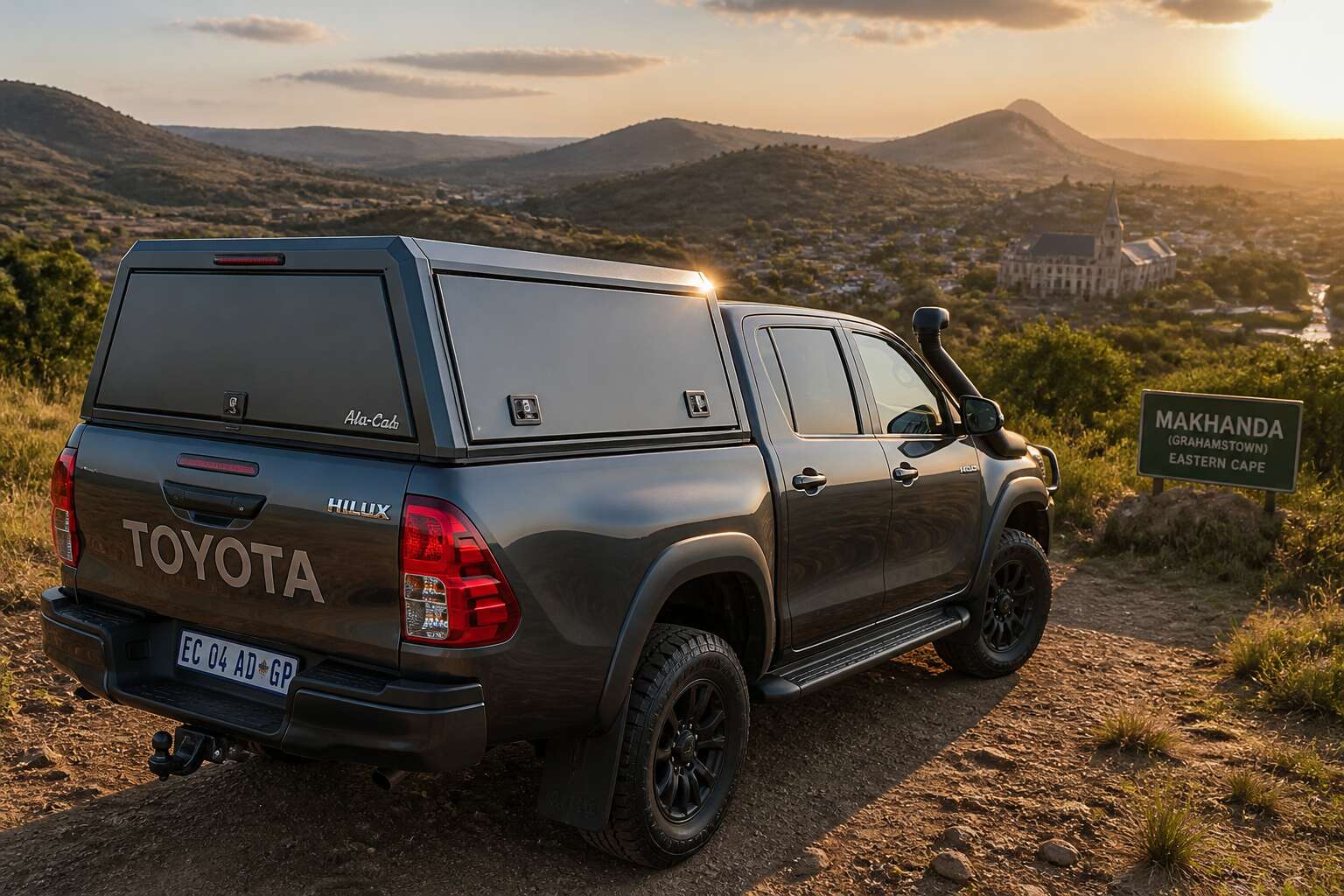
Why Makhanda Properties Are Choosing Aluminium Canopy Solutions
Climate Considerations for the Eastern Cape Region
Makhanda’s weather has a split personality. One week, the summer sun blazes with the intensity of a braai coals leftover, the next, the south wind brings a chill that bites through brick. This brutal oscillation is precisely why homeowners and businesses are ditching traditional wood and steel options. The demand for aluminium canopies makhanda is rising because this material simply laughs at the local elements. It doesn’t warp, split, or require a paintbrush every six months.
Consider what the Eastern Cape throws at you. The proximity to the coast means airborne salt is a persistent hazard, and the UV index here is no joke. Grey skies are a myth; the sun here is aggressive. Here are the specific conditions that make aluminium the only sane choice for shelter:
– High humidity promotes rust on ferrous metals.
– Salt-laden air corrodes protective coatings quickly.
– Intense thermal expansion causes other materials to buckle.
– Persistent wind threatens poorly anchored roofs.
The engineering of modern aluminium alloys addresses these specific threats while remaining lightweight. Your car sits under a structure that deflects heat rather than absorbing it, keeping the interior temperature manageable. In a town where the weather can be moodier than a soap opera, the structural integrity of an aluminium canopy remains constant. It is a calculated choice for longevity in a region that otherwise eats building materials for breakfast.
Protecting Vehicles from UV Rays and Hail Damage
Your car takes a beating in Makhanda, and the damage is rarely from accidents. Hailstorms roll in fast from the south, often with little warning, leaving a trail of dimpled bonnets and cracked windscreens. The sun does its own damage, fading dashboards and splitting leather seats until the interior looks ten years older than it is. Protecting a vehicle here means thinking beyond a simple shade net or a flimsy carport. A solid roof structure makes the difference between a car that survives the seasons and one that slowly degrades in plain sight.
Aluminium canopies makhanda offer protection that feels almost invisible. The material reflects heat instead of trapping it, so the cabin stays noticeably cooler on a January afternoon. When hail does arrive, the rigid panels absorb the impact without transferring the force to the vehicle below. This is not about aesthetics, it is about preserving an asset that loses value with every dent and sun crack.
Consider what a quality canopy actually provides:
– Shade for the entire vehicle, not just the front half
– A solid barrier against hail and falling branches
– A cooler interior that reduces strain on the air conditioning system
– Protection that lasts without constant maintenance
Neighbours often notice the difference after a severe storm. Those with painted timber carports are rushing to fix warped beams, while the houses with aluminium canopies makhanda simply carry on. The quiet advantage is that you stop thinking about the weather entirely. You park, you walk away, and you trust the roof above you. That trust is worth more than the cost of a new paint job or a replacement windscreen, and it is the reason more properties in Makhanda are making the switch.
Expanding Outdoor Living and Entertainment Spaces
The evening air in Makhanda settles early, and property owners are claiming the dusk for themselves. Aluminium canopies makhanda extend beyond the carport, pushing living space into the open yard where the sky sits heavy. These structures create a covered territory for the braai stand and the table that stays all season.
The installation converts a bare yard into usable floor space. Families gather under the roof while the wind moves overhead. The aluminium surfaces reflect the last light, keeping the space comfortable as the shadows gather.
- The canopy extends the home’s floor area without extending its walls
- It shields outdoor furniture from morning dew and afternoon glare
- It provides a permanent venue for gatherings without the cost of a building project
A patch of concrete becomes the place where evenings are spent. That is the shift visible across Makhanda properties, as homeowners measure value in covered square metres.
Increasing Property Value and Kerb Appeal
A property’s first impression is a conversation before the doorbell rings. In Makhanda, where neighbours notice everything, aluminium canopies makhanda serve as a statement of care. They frame the entrance, cast a tidy shadow, and signal that the owner attends to details others skip.
This is not about rain or hail; that topic belongs elsewhere. This is about the calculation of value. Buyers and passersby assign worth to clean lines and structural certainty. A canopy signals durability and order, and that signal shows up in the final sale figure.
- Defined edges replace blank walls
- Covered entries invite curiosity
- Aluminium resists the rust that stains lesser materials
The kerb appeal arrives without effort. A house with a considered canopy looks settled and confident. For sellers, that confidence translates directly into a stronger negotiating position.
Exploring Modern Canopy Designs and Customisation Options
Flat Versus Sloped Canopy Profiles for Rain Runoff
Choosing a canopy profile is a decision that shapes both appearance and function. A flat profile offers a clean, contemporary silhouette, but it requires precise detailing to manage water effectively. A sloped profile, by contrast, directs rainfall with greater urgency, reducing ponding and static load. For aluminium canopies makhanda, the choice often depends on the specific wind and rain patterns experienced on site. Customisation extends beyond the angle of the roof.
Consider these design variables:
- Gutter placement and downpipe routing
- Beam depth and column spacing
- Edge detailing and fascia options
Each variable changes how water behaves. The slope should be calculated, not guessed. A pitch of at least 5 degrees suits most conditions, but local exposure may demand steeper angles. The interaction of these choices with the surrounding architecture determines the final result.
Choosing the Right Colour Finishes and Powder Coating
Every aluminium canopies makhanda installation carries a signature that goes far beyond its structural lines. The finish is the first thing the eye registers, and it lingers. Powder coating technology has become a controlled process, a precise application of thermoset polymers that resist chalking, fading, and corrosion.
Modern customisation options extend to texture and lustre. Consider these popular choices:
- Satin finishes that balance gloss and durability
- Textured surfaces that conceal minor imperfections
- Metallic tones that shift with daylight
Colour selection affects thermal behaviour. Lighter shades reflect solar radiation, while darker hues absorb heat. The pigment load in a quality powder coat determines how long the original tone survives. For aluminium canopies makhanda, the interaction between colour and climate deserves serious attention. A canopy that looks striking in the showroom must also perform on site.
Deciding on Structural Size and Load-Bearing Capacity
Every aluminium canopies makhanda installation begins with a calculation, not a sketch. The structural engineer resolves span, column spacing, and bracing before aesthetics enter the conversation. Load-bearing capacity determines whether the canopy copes with wind sheets, water weight, and maintenance access.
Modern designs have moved beyond the rigid rectangle. Offset pillars, curved profiles, and integrated gutters introduce variety without compromising strength. Customisation starts with site measurements and ends with a structure tailored to its exact location.
When deciding on structural size, consider:
- Clear span width and height clearance for vehicles
- Roof pitch angle and its effect on wind uplift
- Column placement relative to existing foundations
Each decision shifts the load path. We see aluminium canopies makhanda using extrusions that reduce weight while maintaining rigidity, giving designers room to experiment with proportion and profile safely.
Integrating Downpipes and Gutter Systems Seamlessly
Most canopy failures start at the gutter line, not the roof sheet. Water finds the weak joint every time. Modern aluminium canopies makhanda treat drainage as a design feature, not an afterthought. Downpipes hide inside hollow support columns, and gutter channels are extruded as part of the primary structure, so the system works as one unit.
Customisation goes beyond simple dimensions. Homeowners can specify:
- Concealed downpipe routing through the pillar profile
- Integrated gutter heating for frost-prone areas
- Low-profile box gutters that match the roofline exactly
- Rainwater harvesting outlets plumbed into existing tanks
These choices affect how the canopy performs during an Eastern Cape downpour, and they alter the building’s silhouette. The engineering that makes seamless integration possible comes from the same extrusion process that shapes the rafters and purlins. A well designed aluminium canopies makhanda system carries water away silently, keeping walls, walkways, and vehicle doors dry without visible piping.
Complementing Various Architectural Styles Found Locally
Modern architecture in Makhanda speaks in clean lines and honest materials, and aluminium canopies makhanda have evolved to answer that language. Instead of bolted-on afterthoughts, these structures now mimic the geometry of neighbouring gables, the rhythm of window mullions, and the shadow play of deep verandas. A canopy can be tailored to mirror a Victorian filigree or a stark contemporary fin, depending on the street’s story.
Customisation extends beyond width and pitch. Homeowners might specify:
– Perforated fascia panels that filter morning light
– Corner posts with a chamfered profile to match existing columns
– Hidden fixing brackets for a floating roofline
These details allow the canopy to feel indigenous to the plot, not imported. The result is a structure that belongs, quietly completing the visual sentence of the home while performing its practical duty.
Key Considerations for a Professional Canopy Installation
What to Expect During the Site Survey and Measurements
A canopy that looks flawless from the street can still fail if its measurements are off by a few millimetres. During the site survey, a professional installer assesses the exact dimensions of your driveway or patio, along with the angle of the existing structure. This step determines how the canopy will align with doors, windows, and walkways. For aluminium canopies makhanda, the survey also checks for underground pipes, cables, and drainage routes that could interfere with anchoring.
Expect the installer to record several key factors:
- Ground slope and drainage direction
- Wall material and mounting surface integrity
- Ceiling height and available clearance
- Access for future cleaning and maintenance
They will then verify these measurements against your property’s specific contours. A thorough survey prevents costly adjustments later, so be present and ask questions about anything you do not understand.
Selecting Safe Wall-Mounting and Foundation Methods
A canopy’s longevity depends on the depth of its anchors and the integrity of the mounting surface. For aluminium canopies makhanda, the installer’s first obligation is to understand how the existing structure will receive the load.
Wall mounting requires a substrate that bears both static weight and wind uplift. Hollow brick demands chemical anchors rather than mechanical expansion bolts, since expansion can fracture the inner web. Concrete foundations allow direct embedment, but the soil beneath must be compacted.
The installer verifies several load path details, and I advise clients to review these before drilling begins:
- The wall’s construction material and compressive strength
- Anchor spacing relative to the canopy’s weight
- The presence of reinforcing steel or hidden services
- The foundation’s capacity for lateral wind forces
Aluminium canopies makhanda rely on this precision through seasonal temperature shifts and coastal gusts, so the unseen brackets deserve as much scrutiny as the visible frame.
Understanding Local Building Regulations and Approval Processes
A building inspector’s signature can matter more than the canopy’s colour. In Makhanda, municipal rules govern every aspect of a new structure, and ignoring them invites fines or a forced removal. A professional installer for aluminium canopies makhanda will verify zoning and title deed restrictions before any work begins. This is important because servitude lines, heritage overlays, or homeowner association rules can override municipal permissions.
Here is a typical compliance sequence:
1. Submit scaled drawings to the local authority.
2. Pay the applicable building plan fees.
3. Obtain approval before any fabrication starts.
4. Schedule an inspection after the frame is anchored.
These steps protect both the structure and your investment. An experienced team handles the paperwork and coordinates with the building inspector, saving you time and potential legal headaches. Understanding the approval process also prevents surprises when you eventually sell the property.
Maximising the Lifespan of Your Outdoor Canopy Structure
Simple Cleaning Routines to Maintain Surface Lustre
The Eastern Cape sun and sea breeze are relentless. Aluminium canopies Makhanda residents install face constant exposure to harsh elements, yet a simple cleaning habit keeps the powder coated surface looking sharp.
Here is the routine we recommend:
- Rinse the entire canopy with a hose to remove loose debris.
- Wipe surfaces with a soft sponge and diluted dish soap.
That is the basic flow. For stubborn patches, let the soap sit for a minute before wiping. Then rinse thoroughly and dry with a microfiber cloth to prevent water spots.
This routine matters for aluminium canopies Makhanda property owners rely on. Fifteen minutes a month preserves the lustre and protects the investment. Neglect leads to oxidation, which dulls the finish and shortens the canopy’s lifespan. That is the difference between a canopy that still looks new after a decade and one that looks faded.
Handling Minor Dents, Scratches, and Wear
Even diligent cleaning cannot prevent every mishap. The aluminium canopies Makhanda residents trust will eventually acquire small dents or scratches from stray branches, hail, or careless handling. These imperfections break the powder coating, creating entry points for moisture and salt air. A small ding, if left alone, becomes a site for corrosion that undermines the panel.
The metal itself offers some resilience. Aluminium flexes rather than cracks under impact, and shallow dents often retain their protective coating. The real threat lies in exposed edges. A scratch reaching bare metal invites oxidation, which quietly spreads beneath the painted surface.
Repairing these blemishes early, with touch up paint or careful panel work, restores the barrier. Canopies maintained in this way continue to perform for decades. Minor wear is inevitable, but its consequences are avoidable.
Why Initial Investment Pays Off in the Long Run
The initial outlay for aluminium canopies Makhanda property owners invest in often raises eyebrows. But that upfront figure buys more than shade. It purchases decades of structural integrity that cheaper alternatives cannot match.
The lifespan calculation favours those who choose quality first. A well engineered canopy resists the coastal corrosion that eats lesser materials within a few seasons. Replacement costs, labour, and downtime far exceed the difference in initial pricing.
Consider what drives long term value:
- Material thickness and alloy grade determine fatigue resistance
- Welded joints outperform bolted connections under wind load
- Powder coating adhesion affects how often you repaint
Buyers who weigh these factors upfront rarely regret the higher initial quote. The structure pays for itself through years of reliable service.
Selecting a Trusted Supplier for Your Canopy Project in Makhanda
Five Critical Questions to Ask a Fabricator Before Hiring
It is a curious thing that many property owners spend more time choosing a kettle than they do selecting the person who will fabricate a significant structural addition to their home. The choice of a fabricator often comes down to a single price quote, which overlooks the fact that the integrity of your new structure rests entirely on their shoulders. When considering aluminium canopies makhanda, the fabricator you choose will determine not only the longevity of the structure but also its safety and security.
To get to the heart of a supplier’s capability, you need to move beyond marketing materials and ask pointed. It is about verifying their operational procedures and the materials they import.
- Can you provide traceable references from local projects completed within the last two years?
- What specific alloy thickness do you stock for the primary framing members, and is it a South African SABS certified grade?
- How do you handle the structural calculations for wind load, given our region experiences severe gusts?
- What is your warranty policy on the powder coating, and who is the actual liable party if fading occurs?
- Do you subcontract the installation crew, or are they permanent employees on your payroll?
These questions separate genuine operators from those who simply assemble pre-fabricated kits. A competent fabricator will welcome this scrutiny, offering detailed responses that demonstrate their technical knowledge. The distinction between a trusty local workshop and a fly-by-night operator is often visible in their willingness to discuss the engineering involved. The aspect that does not get enough attention is the calibration of their bending equipment and how they manage the welding process to prevent heat distortion. Those specifics dictate the final fit of the glass or polycarbonate panels you install later. Seek out references who have endured a full Eastern Cape summer and a rainy winter season, as that reveals the true performance of the workmanship.
Comparing Quotes: Beyond Just Material Costs
A quote for aluminium canopies makhanda is more than a number. It is a map of the supplier’s honesty. I have opened quotes that looked identical until we inspected the fine print. One included the drop-down gutter system. Another buried it under “miscellaneous.”
A trusted supplier will separate every cost. They will list the profile lengths, the corner castings, the anchor bolts, and the hours of installation. When you compare quotes, focus on what each one excludes. The cheapest estimate often assumes you will handle the old structure’s removal. That hidden task will cost you time and money!
Specific line items tell you how that fabricator works. Consider this checklist:
- Does the quote state the exact alloy grade and temper?
- Are the panel thicknesses and dimensions listed per panel?
- Is the powder coating brand and colour code specified?
- Does it mention the curing temperature used after coating?
A quote without those four details is a guess. When choosing aluminium canopies makhanda, a guess means you own every future repair.
Evaluating Portfolios of Previously Completed Projects
Walk through a completed project and you will see the truth of a supplier’s skill. For aluminium canopies makhanda, a portfolio of past work reveals how edges are joined, how brackets align with brickwork, and how water flows off after a summer storm. I always ask to visit a site that is at least two years old. That age shows the real finish, not the shine from the factory.
When you evaluate a portfolio, look for these details:
- Consistent weld seams and smooth corner joins
- Neatly sealed anchor points with no rust trails
- Gutter lines that match the roof profile exactly
Those markers separate a careful fabricator from a fast one. In Makhanda, the wind tests every connection, so past projects are your best preview of future behaviour.
Assessing After-Sales Support and Guarantees
Every fabricator’s workshop gleams. The real test begins after installation, when the wind blows and the rain runs. A supplier’s true character emerges in the service they offer once the invoice is settled. I have seen too many business owners in Makhanda realise, months later, that their warranty was a verbal mirage. Your guarantee must be a concrete document, not a handshake and a promise. That paperwork is your safety net when a seam fails or a bracket shifts during a winter gale.
Assessing after-sales support means asking pointed questions about response times and spare part availability. A reputable aluminium canopies makhanda supplier should offer a written commitment that covers structural integrity, not just the paint. When I scrutinise a guarantee, I look for several critical components:
- Explicit coverage of labour costs for repairs, not just replacement parts.
- A clear process for filing a claim without needing to escalate through a labyrinth of phone trees.
- Transferable terms that hold value if you sell your property within the warranty period.
Local suppliers who depend on their reputation in this town tend to honour their word. A national chain might send a technician from Gqeberha, but a Makhanda based team can inspect your canopy on a Tuesday and fix it by Thursday. You want people who understand that your carport faces coastal salt and seasonal storms. The guarantee period itself matters, but the attitude behind it matters more. Ask if they deposit a copy of the warranty with the local building inspector or keep it only in their filing cabinet. You need a partner who views the after-sales period as the start of a relationship, not the end of a transaction.




0 Comments